
Your pet’s spay and neuter surgery represents far more than a routine veterinary procedure—it’s a proactive choice that protects them from serious health risks while improving their behavior and quality of life for years to come. Dr. Timothy Jordan, DVM, has guided thousands of pet owners through this important decision, helping them understand how spaying and neutering prevents mammary cancer, uterine infections, and testicular cancer while reducing problematic behaviors that can strain the human-animal bond. At Affordable Veterinary Surgery, we’ve made these essential procedures accessible to families throughout the Greensboro community because every pet deserves the benefits that come from surgical sterilization, regardless of their family’s financial situation.
Spay and Neuter Clinic in Greensboro NC
Understanding Pet Reproductive Surgery
Spay and neuter procedures involve the removal of reproductive organs to prevent breeding while providing significant health and behavioral benefits for your companion. Spaying removes the ovaries and usually the uterus from female pets, eliminating heat cycles and preventing reproductive-related health problems. Neutering involves removing the testicles from male animals, reducing hormone-driven behaviors and eliminating risks of testicular cancer and related conditions.
These procedures are among the most commonly performed surgeries in veterinary medicine, with millions of pets safely undergoing spay and neuter operations annually. The optimal timing varies based on your pet’s species, breed, size, and individual development, though most veterinarians recommend these surgeries between 4-6 months of age. Modern anesthesia protocols and surgical techniques have made these procedures extremely safe and routine, with success rates exceeding 99% when performed by experienced professionals using proper protocols.

Benefits of Pet Sterilization
Prevents Life-Threatening Reproductive Cancers and Infections
Spaying female pets before their first heat cycle reduces mammary cancer risk by over 90%, while completely eliminating the possibility of uterine cancer and ovarian tumors. Male pets benefit from neutering through complete prevention of testicular cancer and significantly reduced risk of prostate problems that can become serious health issues in older animals. These procedures also prevent pyometra, a potentially fatal uterine infection that affects up to 25% of unspayed female dogs by age 10. Early spay and neuter surgery provides the greatest protective benefits, though pets of any age can experience health improvements from these procedures when performed by skilled veterinary professionals.
Eliminates Problematic Hormonal Behaviors
Neutering male pets typically reduces aggressive tendencies, territorial marking, mounting behaviors, and the strong urge to roam in search of mates that can lead to accidents or getting lost. Female pets benefit from spaying through elimination of heat cycle-related mood changes, restlessness, and the stress of repeated reproductive cycles throughout their lives. These behavioral benefits often make pets more focused on their families, easier to train, and more pleasant companions in multi-pet households. The reduction in hormone-driven behaviors contributes to better relationships between pets and their families while reducing conflicts with other animals in the neighborhood.
Supports Community Health By Preventing Pet Overpopulation
Every spay and neuter procedure prevents countless unwanted litters that contribute to the millions of healthy pets euthanized in shelters annually due to overpopulation. Responsible pet ownership through reproductive surgery reduces the burden on local animal shelters, rescue organizations, and animal control services while decreasing the number of stray animals in communities. This collective action helps ensure that more pets find loving homes rather than facing uncertain futures or contributing to public health and safety concerns. Pet owners who choose spay and neuter demonstrate their commitment to being part of the solution to pet overpopulation rather than contributing to the problem.
Long-Term Cost Savings Through Disease Prevention
While the procedure requires an initial investment, they prevent far more expensive medical problems throughout your pet’s lifetime, including emergency surgeries for reproductive complications and cancer treatments. Low cost spays and neuter services like those offered at our animal hospital make these preventive procedures accessible to more families, reducing the financial burden of pet ownership over time. The behavioral benefits also reduce property damage from marking, scratching, and escape attempts, protecting your home and belongings from costly repairs. Many communities offer reduced licensing fees for desexed pets, providing ongoing savings that help offset the initial surgical cost.
Enhances Quality of Life and Promotes Healthy Aging
Sterilized pets often live longer, healthier lives free from the physical stress and health risks associated with reproductive cycles and hormone-related diseases. These pets typically maintain more stable energy levels and consistent temperaments throughout their lives, avoiding the physical and emotional stress of heat cycles or mating urges. The elimination of reproductive hormones often leads to better focus on family relationships, training, and activities that provide mental and physical stimulation. Senior pets who had permanent contraception early in life experience fewer age-related health problems and maintain better quality of life well into their golden years.
Our Spay and Neuter Process
- Anesthesia Preparation
- Spay and Neuter Procedures
- Constant Monitoring
- Recovery Support
- Follow-Up Examinations
Preliminary Health Check and Anesthesia Preparation
We begin with a comprehensive physical examination to assess your pet’s overall health and ensure they’re a good candidate for spay and neuter surgery under general anesthesia. Our veterinary team discusses the procedure details, answers your questions about the surgery and recovery process, and provides clear information about pre-operative requirements. This consultation includes reviewing your pet’s medical history, current medications, and any concerns you may have about anesthesia or surgical risks. We also schedule the surgery date and provide detailed pre-operative instructions to help you prepare your pet for their procedure.
Individualized Surgical Planning for Spay and Neuter Procedures
Based on your pet’s age, size, breed, and health status, we develop an individualized surgical plan that addresses their specific needs and minimizes risks. Our approach considers factors like optimal timing for the procedure, appropriate anesthesia protocols, and any special considerations related to your pet’s breed or health conditions. We explain the surgical technique we’ll use, expected procedure duration, and provide realistic expectations for recovery time and activity restrictions. This personalized planning ensures your pet receives the safest and most appropriate care for their individual circumstances.
Sterilization Surgery With Constant Monitoring
On surgery day, your pet receives pre-anesthetic medications to reduce anxiety and enhance comfort before being placed under general anesthesia for the procedure. Our experienced surgical team uses sterile techniques and continuous monitoring to ensure optimal safety throughout the spay and neuter surgery. We maintain careful oversight of vital signs, anesthetic depth, and surgical progress while performing the procedure efficiently and thoroughly. Post-operative pain management begins immediately, with appropriate medications administered to keep your pet comfortable during the initial recovery period.
Recovery Support and Incision Care
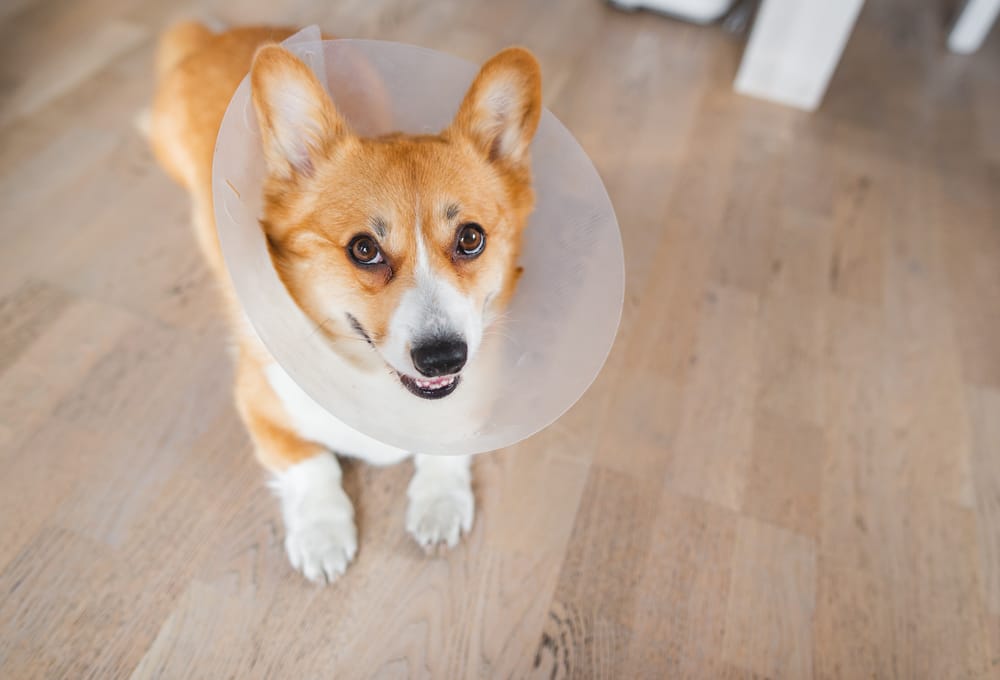
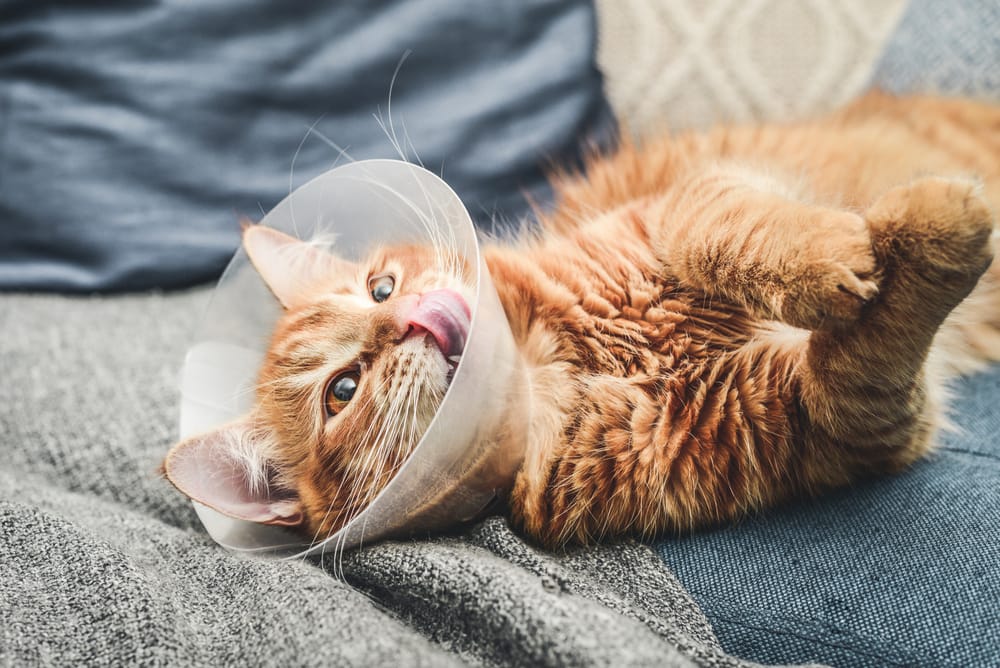
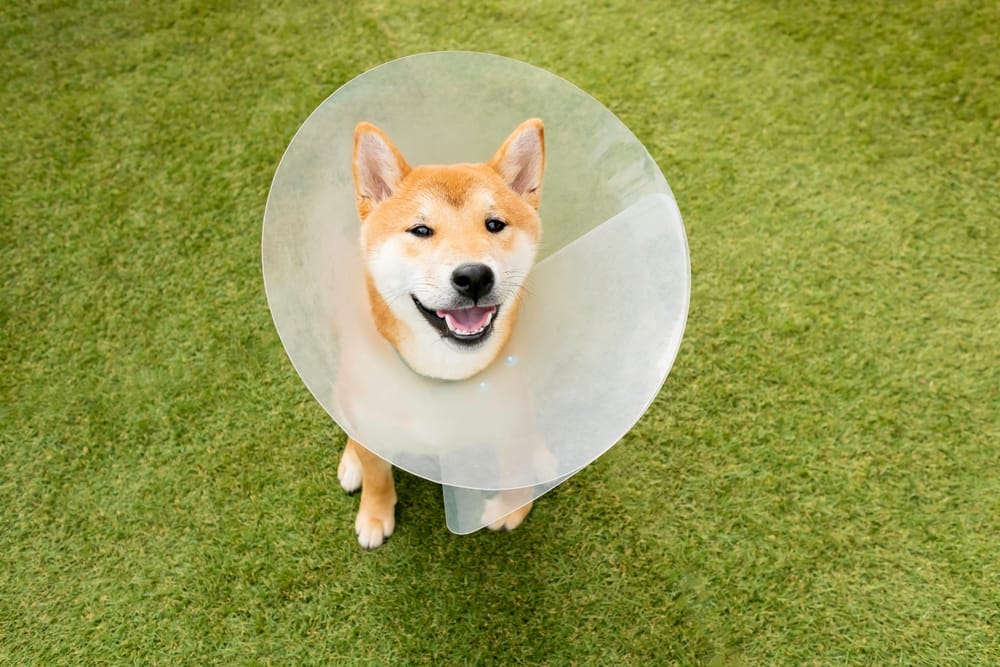
Recovery involves following detailed post-operative instructions including activity restrictions, medication schedules, and incision care to promote optimal healing and prevent complications. A protective collar can be worn to prevent your pet from licking or chewing the surgical site, along with specific guidelines for feeding, exercise limitations, and environmental modifications during recovery. Pain management continues at home with prescribed medications and instructions for recognizing signs of normal healing versus potential problems requiring veterinary attention. Most pets recover fully within 10-14 days when post-operative instructions are followed carefully and consistently.
Follow-Up Examinations to See How Your Pet is Healing
Scheduled follow-up appointments allow us to monitor your pet’s healing progress, assess the surgical site, and ensure they’re recovering appropriately from the spay and neuter procedure. These visits typically occur 3-5 days after surgery for initial assessment, followed by suture removal appointments when necessary. We evaluate your pet’s comfort level, activity tolerance, and overall recovery while addressing any questions or concerns that have developed during the healing process. Our ongoing support continues until your pet has achieved complete recovery and returned to normal activity levels appropriate for their age and lifestyle.
Why Choose Us for Pet Sterilization Surgery
Dr. Timothy Jordan, DVM brings over three decades of surgical experience to every spay and neuter procedure, having safely performed thousands of these surgeries while maintaining the compassionate approach that helps pet families feel confident about their decision. Our full service veterinarian practice combines advanced surgical techniques with personalized attention that addresses both the medical and emotional aspects of your pet’s care experience. We understand that choosing spay and neuter surgery involves trust in our expertise and commitment to your pet’s wellbeing throughout the entire process.
Affordable Veterinary Surgery operates on the principle that essential veterinary care should be accessible to every pet family, regardless of financial circumstances, which is why we offer these vital services at prices that don’t force difficult choices between your pet’s health and your budget. Our transparent approach includes clear communication about procedures, realistic recovery expectations, and ongoing support that helps ensure successful outcomes for both pets and their families throughout the Greensboro community.
Visit Our Spay and Neuter Clinic in Greensboro NC
Professional spay and neuter services provide your pet with essential health benefits while contributing to responsible pet ownership in your community. These procedures offer lifelong protection against serious health problems while improving behavior and quality of life for countless pets throughout their lives. Dr. Timothy Jordan, DVM, and our experienced team at Affordable Veterinary Surgery combine surgical expertise with compassionate care that prioritizes your pet’s safety and comfort throughout their spay and neuter experience.
We regularly offer the latest pet care tips and surgical success stories from our Facebook and Instagram page. Call us at (910) 813-3041 to discuss your pet’s specific needs and discover why Greensboro area families choose our practice for their most important veterinary care decisions.
FAQs
How do spay and neuter procedures affect my pet's weight and metabolism?
Many pet owners worry that spay and neuter surgery will automatically cause weight gain, but the procedures themselves don’t directly cause obesity. Hormonal changes after surgery can slightly reduce metabolic rate and increase appetite, making weight management more important through proper diet and exercise. Most pets maintain healthy weights when their food portions are adjusted appropriately and they receive regular physical activity. Your veterinary team can provide specific dietary recommendations to help your pet maintain an ideal body condition after their spay and neuter procedure.
Can spaying prevent my female pet from developing mammary cancer later in life?
Spaying before the first heat cycle reduces mammary cancer risk by over 90% in female dogs and cats, making it one of the most effective cancer prevention measures available. The protective benefits decrease with each heat cycle, but spaying still provides some cancer protection even when performed later in life. This dramatic reduction in cancer risk represents one of the most compelling health reasons for choosing spay surgery for female pets. Early spaying essentially eliminates the hormonal stimulation that leads to mammary tumor development in most cases.
Will spaying or neutering change my pet's personality?
Spay and neuter procedures typically result in positive behavioral changes rather than negative personality alterations, with most pets becoming calmer and more focused on their families. Male pets often show reduced aggression, territorial marking, and roaming behaviors, while females no longer experience the mood changes and restlessness associated with heat cycles. Your pet’s basic personality traits, energy levels, and individual characteristics generally remain the same, with hormonal behavioral problems diminishing rather than fundamental personality changes occurring. These modifications usually make pets more enjoyable companions and easier to train while preserving their unique individual qualities.
How does the spay and neuter process differ between cats and dogs?
Cat spay and neuter procedures are generally quicker and less invasive than those performed on dogs, with feline surgeries typically taking 15-30 minutes compared to 30-60 minutes for canines. Dogs require larger incisions due to their size and anatomy, while cats benefit from smaller surgical sites that heal faster and require shorter recovery periods. Both species undergo the same basic procedure under general anesthesia, but cats often recover more quickly and show fewer post-operative complications than dogs. The veterinary team adjusts anesthesia protocols, surgical techniques, and post-operative pain management based on species-specific needs and anatomical differences between feline and canine patients.
What are the pros and cons of pediatric spay and neuter versus waiting until maturity?
Pediatric spay and neuter surgery performed between 8-16 weeks offers maximum health benefits including nearly 100% mammary cancer prevention and faster recovery times, but some veterinarians prefer waiting until 6-12 months to allow more complete physical development. Early procedures reduce anesthesia time and surgical complexity while eliminating unwanted behaviors before they become established, though some large breed dogs may benefit from delayed surgery to support proper bone growth. Waiting until maturity allows for complete hormonal development and may reduce risks of certain orthopedic conditions, but decreases cancer prevention benefits and allows time for problematic behaviors to develop. The optimal timing depends on your pet’s breed, size, and individual circumstances, with your veterinary team providing personalized recommendations based on current research and your pet’s specific needs.