
Surgery often becomes necessary when the treatments you’ve already tried aren’t giving your pet the relief they need. Dr. Timothy Jordan, DVM, specializes in those challenging cases where medication alone isn’t enough and your pet’s discomfort is affecting their daily happiness. At Affordable Veterinary Surgery, we’ve successfully resolved complex problems for over 5,000 pets because we understand that pet surgery represents hope—hope for pain-free days, restored mobility, and a return to the activities your pet loves most. Our Fayetteville practice tackles the tough cases that require surgical intervention to truly improve your companion’s quality of life.
Pet Surgery in Fayetteville
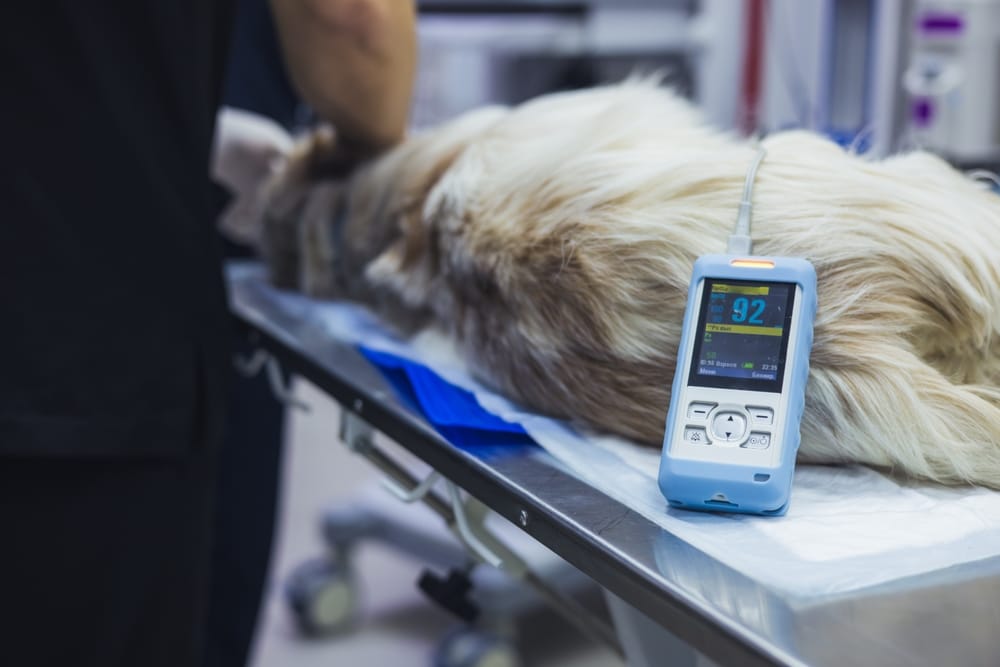
Understanding Small Animal Surgery
Pet surgery ultimately aims to restore your companion’s ability to live comfortably and engage in the activities that bring them joy. Whether addressing orthopedic problems that limit mobility, removing painful masses, or correcting conditions that interfere with normal bodily functions, surgical intervention focuses on improving daily quality of life rather than simply treating disease. The measure of surgical success lies not just in technical outcomes, but in your pet’s return to their normal personality, energy levels, and enthusiasm for their favorite activities.
Modern veterinary surgery recognizes that pets are family members whose emotional wellbeing matters as much as their physical health. Surgical recovery will affect your pet’s routine, stress levels, and relationship with family members, and it’s important to minimize disruption while maximizing long-term benefits for both physical comfort and psychological wellbeing.
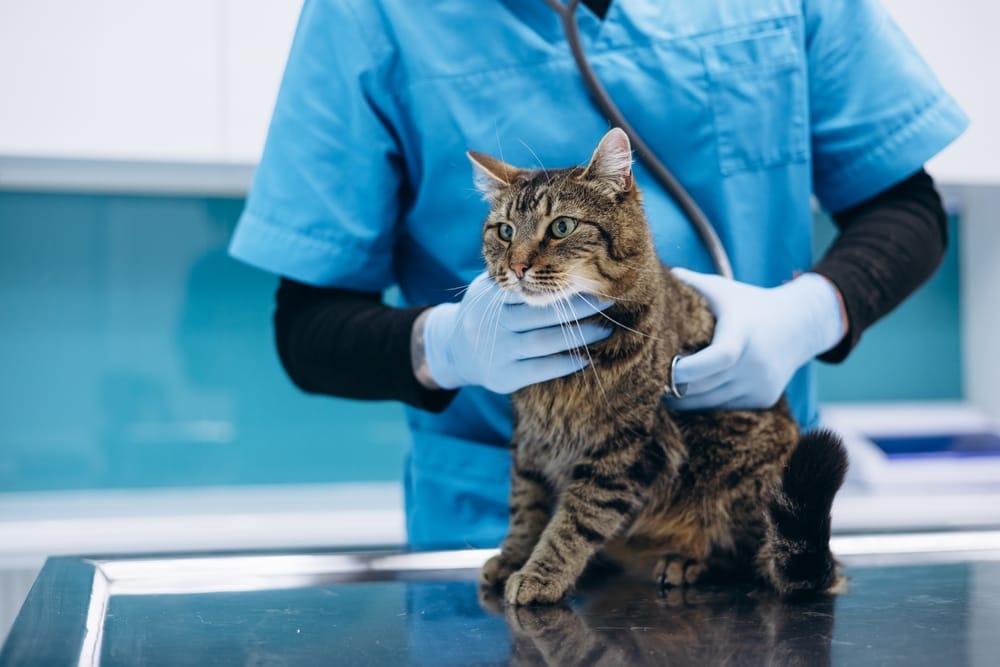
Our Vet Surgical Solutions
We offer a full range of surgical services for almost any condition your pet may face, from standard operations to urgent, complex procedures.
Orthopedic Surgery
When your pet can’t run, jump, or play the way they used to, orthopedic surgery often provides the solution that medication and rest simply cannot achieve. We restore the structural integrity of bones, joints, and ligaments that have been damaged by injury, developmental conditions, or degenerative changes that rob your companion of their natural mobility. Our orthopedic procedures include everything from repairing torn cruciate ligaments that cause painful limping to correcting hip dysplasia that prevents comfortable movement, using techniques specifically chosen to match your pet’s size, age, and activity level for optimal long-term function.
Oral Surgery
Your pet’s mouth problems can affect far more than just their ability to eat—untreated oral conditions often cause chronic pain that changes their entire personality and zest for life. We address complex dental issues that go beyond routine cleanings, including fractured jaws from accidents, extensive periodontal disease that threatens tooth loss, and oral masses that interfere with normal eating and comfort. Our pet surgery expertise focuses on preserving as much healthy tissue as possible while eliminating sources of infection, pain, and functional problems that prevent your pet from enjoying their meals and maintaining their natural enthusiasm.
Ophthalmic Surgery
Your pet’s vision connects them to their world in ways we’re only beginning to understand—the ability to see your face, navigate their favorite spaces, and engage confidently with their environment. We treat eye conditions that threaten this precious sense, from cherry eye problems that cause irritation and tear production issues to more serious conditions like corneal injuries that could lead to permanent vision loss. Our ophthalmic procedures use specialized techniques designed to preserve and restore normal eye function while eliminating pain, allowing your pet to continue seeing the world clearly and living without the anxiety that comes with compromised vision.
Our Pet Surgery Process
Pre-Surgical Screening and Anesthetic Planning
Your pet receives a thorough check-up, after which we’ll go over all the treatment options with you. Our veterinary team performs complete pre-surgical physical exams, reviews diagnostic results, and explains the recommended surgical approach using clear, understandable language. We address all your questions and concerns about the procedure, anesthesia requirements, and expected recovery timeline to help you make informed decisions. This consultation includes detailed pre-operative instructions and preparation guidelines designed to optimize your pet’s surgical outcome and safety.
Developing Your Pet’s Individualized Protocol
Based on examination findings and diagnostic results, we develop an individualized surgical plan tailored specifically to your pet’s needs, health status, and unique circumstances. Our treatment planning considers critical factors like age, breed characteristics, overall health condition, and any concurrent medical issues that might influence surgical outcomes or recovery requirements. We thoroughly explain the surgical technique we’ll use, anesthesia management strategies, pain control protocols, and provide realistic expectations for recovery timelines and long-term results. This personalized approach ensures every aspect of your pet surgery addresses their individual situation while maximizing the likelihood of successful outcomes.
Performing Pet Surgery With Continuous Vital Sign Monitoring
Pet surgery day begins with comprehensive pre-op assessments and pre-operative care including anxiety-reducing medications and advanced pain management protocols administered before the procedure starts. Our experienced surgical team uses state-of-the-art surgical monitoring equipment and maintains strict sterile conditions to provide the highest level of safety throughout your pet’s operation. We place an IV catheter for fluid support and medication administration while continuously monitoring vital signs to quickly address any changes in your pet’s condition. Our modern surgical suite features advanced technology that enables us to perform complex procedures with precision and confidence.
Post-Operative Pain Management And Recovery Guidance
Post-operative recovery involves detailed instructions covering medication schedules, activity restrictions, wound care requirements, and nutritional recommendations to promote optimal healing at home. We provide comprehensive aftercare guidelines including specific signs to monitor that might indicate complications, proper techniques for administering medications, and recommendations for creating a calm environment during recovery. Your pet receives appropriate protective equipment when necessary, along with detailed instructions for managing their comfort during the critical initial healing period. Our pet surgery team emphasizes the importance of following all aftercare protocols precisely to prevent complications and achieve the best possible surgical outcomes.
Surgical Site Healing Visits
Scheduled follow-up appointments allow us to monitor your pet’s healing progress, assess their comfort level, and make any necessary adjustments to their recovery plan based on individual response. These visits typically occur within the first week after pet surgery for initial progress evaluation, followed by additional appointments for suture removal and continued monitoring as needed. We evaluate the surgical site for proper healing, check your pet’s overall recovery status, and address any concerns that have developed during the healing process. Our follow-up care continues until your pet achieves complete recovery and returns to normal activity levels appropriate for their age and condition.
Why Choose Us For Companion Surgical Care
You shouldn’t have to choose between your pet’s health and your family’s financial stability, which is exactly why we founded our practice on making quality surgical care accessible to everyone who loves their companion. Dr. Timothy Jordan, DVM understands that the decision to proceed with the pet surgery often comes down to cost, not because families don’t want the best for their pets, but because specialist prices can put necessary treatments out of reach for many loving homes. We’ve structured our entire practice around providing the same level of surgical expertise you’d find at expensive specialty centers, but at prices that reflect our commitment to helping more pets get the care they actually need.
Our approach means you can focus on what really matters—helping your pet feel better—instead of worrying about whether you can afford the treatment they need. Affordable Veterinary Surgery operates on the simple belief that financial limitations shouldn’t determine which pets receive advanced medical care, which is why we’ve made it our mission to deliver exceptional pet surgery while keeping costs reasonable for real families dealing with real budgets throughout the Fayetteville area.
Need gentle Pet Surgery in Fayetteville?
When your pet needs surgery, you deserve a team that combines surgical excellence with pricing that makes sense for your family’s budget. Fayetteville pet families have discovered that advanced surgical care doesn’t have to come with the premium prices typically charged by specialty centers. Dr. Timothy Jordan, DVM, and our experienced team at Affordable Veterinary Surgery have built our reputation by delivering exceptional surgical outcomes while keeping costs accessible to the families who need us most.
Ready to discuss your pet’s surgical needs with Fayetteville’s most trusted affordable surgical team? Contact our animal hospital today at (910) 813-3041 to schedule a consultation and learn how we can help your companion return to the active, comfortable life they deserve. Like us on Facebook and Instagram, where we share regular updates on what’s going on in our practice. Discover why pet families throughout the greater Fayetteville area choose us when quality pet surgery at fair prices matters most.
FAQs
What dietary changes are recommended before and after surgery?
Pre-surgical fasting typically begins 12 hours before your pet’s procedure to prevent aspiration complications during anesthesia, though water is usually permitted until the morning of surgery. After the pet surgery, we recommend starting with small amounts of easily digestible food like boiled chicken and rice or prescription recovery diets that are gentle on the digestive system during the initial healing period. Some procedures may require specific dietary modifications, such as soft foods after oral surgery or restricted portions after gastrointestinal procedures to prevent complications. We provide detailed feeding instructions tailored to your pet’s specific surgical procedure and recovery needs, including timeline recommendations for returning to their normal diet.
How do I manage multiple pets in the household during one pet's recovery?
Separating your recovering pet from other household animals during meal times and play sessions helps prevent disruption of surgical sites and reduces competition for resources during the vulnerable healing period. Create a quiet, comfortable recovery space where your surgical patient can rest undisturbed, using baby gates or separate rooms to maintain visual contact while preventing physical interactions that could interfere with healing. Monitor interactions carefully when pets are together, as other animals may try to lick surgical sites or engage in rough play that could damage sutures or cause complications. We recommend maintaining this separation for the first 10-14 days after pet surgery, gradually reintroducing normal household interactions as healing progresses and activity restrictions are lifted.
How does your pet surgery technique change for overweight pets?
Overweight pets require modified surgical approaches including extended anesthesia monitoring, specialized positioning techniques, and often longer surgical times to safely navigate through increased tissue layers. We may recommend pre-surgical weight reduction when time permits, as excess weight increases anesthetic risks, complicates surgical access, and can significantly slow healing processes during recovery. Our surgical techniques include using longer instruments, modified incision approaches, and enhanced tissue handling methods to ensure optimal visualization and outcomes despite anatomical challenges presented by obesity. Post-operative care for overweight pets often involves stricter activity restrictions and enhanced pain management protocols, as excess weight places additional stress on surgical sites and can impede normal healing timelines.
How quickly does cherry eye need to be addressed after it appears?
Cherry eye should be evaluated within a few days of first appearing, as early intervention typically leads to better surgical outcomes and prevents secondary complications like chronic irritation or infection. While cherry eye is not usually a true emergency, delaying treatment beyond 2-3 weeks can result in increased inflammation, scarring, and reduced success rates for surgical correction procedures. The longer the gland remains prolapsed and exposed, the more swollen and irritated it becomes, making surgical repositioning more challenging and potentially compromising long-term tear production. We recommend scheduling consultation as soon as you notice the red, swollen tissue protruding from your pet’s eye to discuss treatment options and determine the optimal timing for surgical correction.
How far in advance should I schedule non-emergency pet surgery?
Non-emergency surgical procedures can typically be scheduled 1-2 weeks in advance, allowing adequate time for pre-surgical preparation, dietary adjustments, and any additional diagnostic testing that may be recommended. Complex orthopedic procedures or cases requiring specialized equipment may need longer scheduling windows, sometimes 3-4 weeks, to ensure optimal preparation and coordination of surgical resources. We recommend scheduling during times when you can be available for post-operative monitoring and care, avoiding busy periods like holidays or work travel when your attention might be divided. Early scheduling also allows flexibility to adjust timing if your pet’s condition changes or if pre-surgical blood work reveals issues that need to be addressed before proceeding with pet surgery.