
Your furry friend deserves surgical care that combines cutting-edge medical expertise with the warmth and understanding that comes from truly caring about animals and their families. Dr. Timothy Jordan, DVM, has spent over three decades perfecting his surgical skills while never losing sight of what matters most—the special bond you share with your companion. At Affordable Veterinary Surgery, we’ve helped more than 5,000 pets return to happy, active lives because we believe every animal deserves access to excellent medical care, regardless of their family’s budget. Our Clayton-area practice welcomes pets and their families into a caring environment where advanced surgical techniques meet genuine compassion.
Pet Surgery in Clayton
Understanding Pet Operative Care
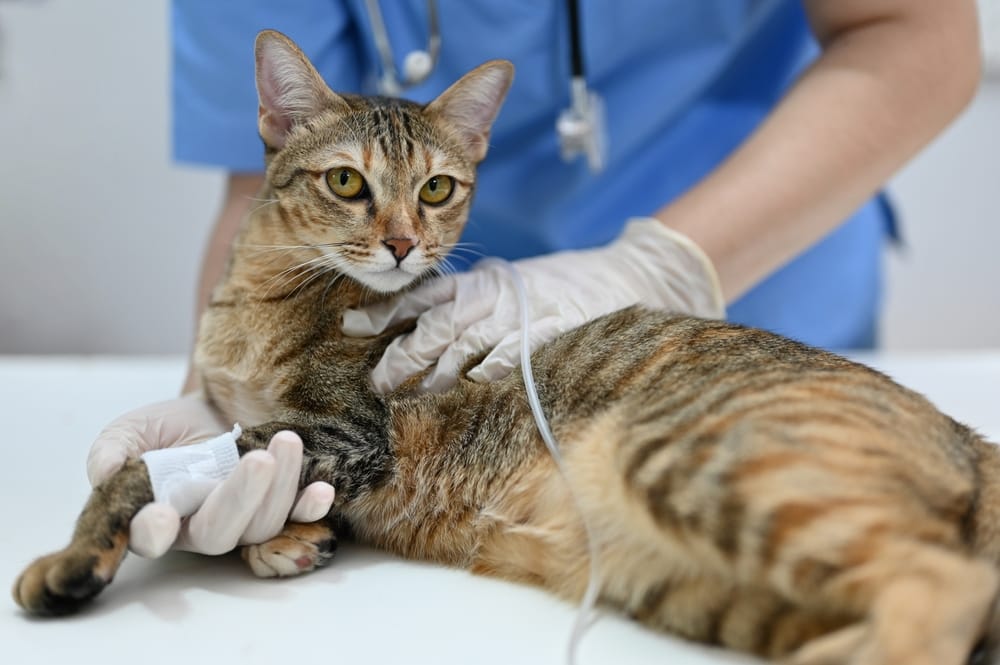
Pet surgery represents far more than a medical procedure—it’s often the key to restoring your companion’s comfort, mobility, and quality of life when other treatments cannot provide adequate relief. Each surgical intervention addresses specific health challenges while considering your pet’s individual needs, age, and lifestyle to achieve optimal outcomes. Modern veterinary surgical techniques have evolved tremendously, incorporating minimally invasive options, advanced pain control methods, and sophisticated monitoring systems that enhance both safety and recovery times.
Your decision to pursue surgical treatment for your companion involves weighing immediate concerns against long-term benefits, recovery expectations, and your pet’s overall wellbeing. Veterinarians approach every case by first understanding what your pet’s daily life looks like currently versus what it could become after successful surgical intervention. This perspective allows experts to recommend pet surgery procedures that not only resolve immediate medical issues but also support your companion’s ability to remain active, comfortable, and engaged in their favorite activities for years to come.
Our Veterinary Surgical Services
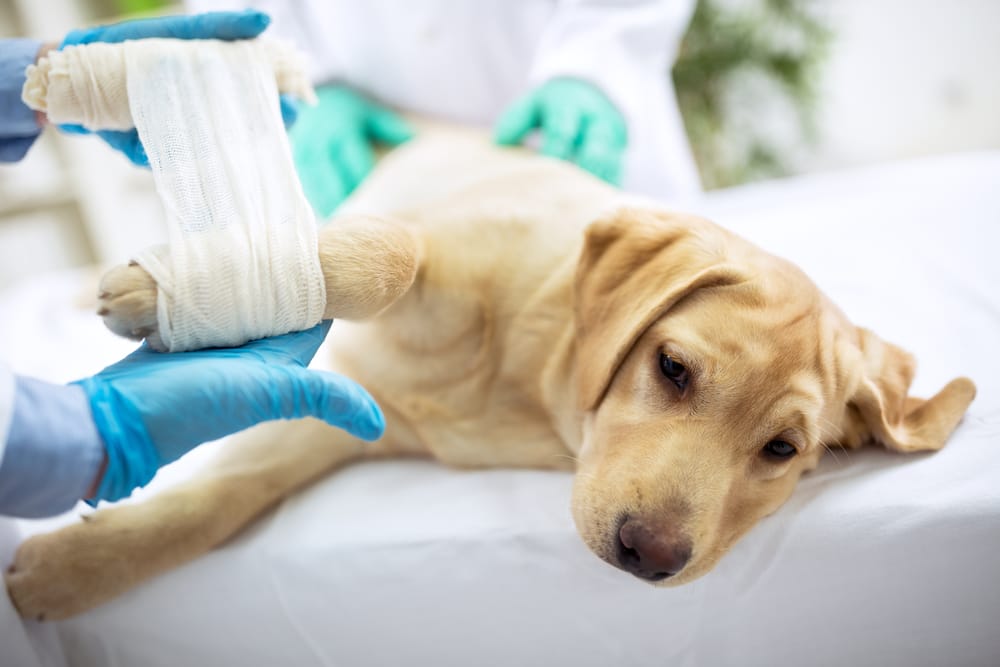
We are committed to offering a comprehensive array of surgical services, delivered with the utmost professionalism and a deeply personalized approach.
Orthopedic Surgery
We specialize in correcting bone, joint, and ligament problems that limit your pet’s mobility and cause chronic discomfort through advanced orthopedic procedures. Our pet surgery team performs complex operations including cruciate ligament repairs, fracture stabilization, and hip dysplasia corrections using modern techniques and specialized implants. These procedures restore normal joint function while eliminating the pain that prevents your companion from enjoying their daily activities and maintaining their quality of life.
Oral Surgery
Complex dental conditions requiring pet surgery receive expert attention through our oral surgery services when routine dental procedures cannot adequately address the underlying problems. We perform jaw fracture repairs, extensive periodontal surgery, and oral growth removal using precise techniques that preserve healthy tissue while eliminating sources of infection and discomfort. Our oral surgical expertise also includes specialized extractions for severely damaged teeth and correction of developmental abnormalities affecting normal eating and jaw function.
Ophthalmic Surgery
Vision-threatening eye conditions receive immediate surgical attention to preserve sight and eliminate painful symptoms through our specialized ophthalmic surgical procedures. We perform cherry eye corrections, entropion repairs, and emergency interventions for traumatic eye injuries using microsurgical techniques that protect delicate ocular structures. Our ophthalmic pet surgery services address conditions like corneal ulcerations, eyelid abnormalities, and other eye problems that cause chronic irritation and potential vision loss without prompt treatment.
Our Pet Surgery Process
Evaluating Surgical Candidacy and Treatment Options
When you arrive, we kick off with a thorough evaluation where we assess their condition, discuss available treatment options, and address all your questions and concerns. Our veterinary team performs comprehensive physical examinations, reviews diagnostic test results, and explains the recommended surgical approach using terms you can easily understand. We provide detailed information about the pet surgery, including anesthesia protocols, expected recovery timelines, and realistic outcomes to help you make informed decisions about your companion’s care. This consultation includes specific pre-surgical instructions and preparation guidelines designed to optimize your pet’s surgical success.
Planning the Safest Surgical Approach for Your Pet
Based on examination findings and diagnostic results, we develop an individualized surgical plan tailored to your pet’s specific needs, health status, and circumstances. Our treatment planning considers factors like age, breed characteristics, overall health condition, and any concurrent medical issues that might influence surgical outcomes or recovery requirements. We thoroughly explain the pet surgery we’ll use, anesthesia management strategies, pain control protocols, and provide realistic expectations for both short-term recovery and long-term results. This personalized approach ensures every aspect of your pet’s operation addresses their unique situation and maximizes the likelihood of successful outcomes.
Executing Pet Surgery Using Modern Techniques
Pet surgery day begins with pre-anesthetic testing and comprehensive pre-operative care including anxiety-reducing medications and advanced pain management protocols administered before the procedure starts. Our experienced surgical team uses state-of-the-art anesthesia monitoring equipment and maintains sterile surgical conditions to provide the highest level of safety throughout your pet’s operation. We keep you informed about your pet’s status during longer procedures and maintain continuous monitoring of vital signs to quickly address any changes in their condition. Our modern surgical suite features advanced equipment and monitoring systems that enable us to perform complex procedures with precision and confidence.
Managing Recovery with Detailed Aftercare Protocols
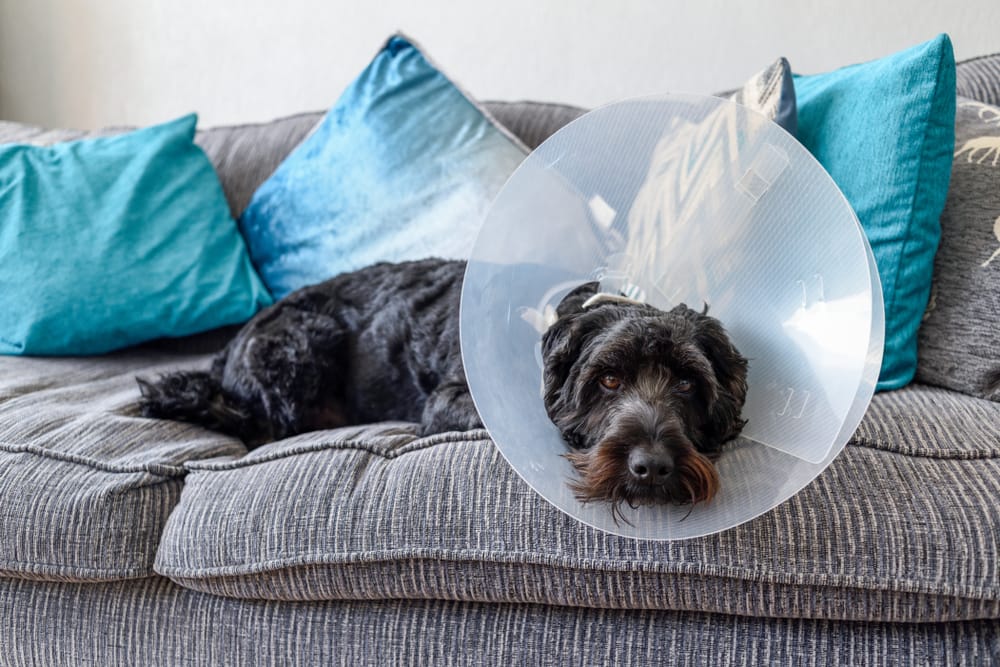
Post-operative recovery involves detailed discharge instructions covering medication schedules, activity restrictions, wound care requirements, and nutritional recommendations to promote optimal healing at home. We provide comprehensive aftercare guidelines including specific signs to monitor that might indicate complications, proper techniques for administering medications, and recommendations for creating a low-stress environment during recovery. Your pet receives protective equipment like surgical cones when necessary, along with detailed instructions for managing their comfort during the critical initial healing period. We emphasize the importance of following all aftercare protocols precisely to prevent complications and achieve the best possible pet surgery outcome.
Confirming Progress and Treatment Success
Scheduled follow-up appointments after pet surgery allow us to monitor your pet’s healing progress, assess their comfort level, and make any necessary adjustments to their recovery plan. These visits typically occur within the first week after surgery for initial progress evaluation, followed by suture removal appointments when applicable. We evaluate the surgical site for proper healing, check your pet’s overall recovery status, and address any concerns that have developed during the healing process. Our follow-up care continues until your pet achieves complete recovery and returns to normal activity levels appropriate for their age and condition.
Why Choose Us for Veterinary Operative Care
Your companion deserves surgical care from veterinary professionals who understand that behind every medical decision lies a family’s deep love and concern for their pet’s wellbeing. Dr. Timothy Jordan, DVM has dedicated over three decades to perfecting surgical techniques while maintaining the compassionate approach that helps families feel confident throughout their pet’s treatment experience. Our practice combines this extensive surgical expertise with modern equipment, advanced monitoring systems, and personalized attention that addresses both the medical and emotional aspects of your pet’s surgical care.
We believe exceptional veterinary care should be accessible to every pet family, regardless of their financial circumstances, which is why we’ve structured our services to provide specialist-level surgical care at general practice pricing. Affordable Veterinary Surgery operates on the principle that cost should never be the primary factor determining your pet’s access to necessary medical treatment, allowing you to focus on what’s truly important—your companion’s health and recovery.
Experience Professional Pet Surgery in Clayton
Professional surgical care provides your companion with the best opportunity for complete recovery and return to the active, comfortable life they deserve. Dr. Timothy Jordan, DVM, and our experienced surgical team at Affordable Veterinary Surgery are committed to delivering exceptional outcomes through advanced techniques, compassionate care, and ongoing support throughout your pet’s treatment experience. Trust your pet’s surgical needs to veterinary professionals who combine medical expertise with genuine understanding of the human-animal bond.
Contact our animal hospital today at (910) 813-3041 to schedule a consultation and discover how our surgical services can help restore your companion’s health and quality of life. Follow us on Instagram and Facebook for the latest animal care tips and updates as well!
FAQs
What's the ideal age for spaying or neutering my pet?
Most veterinarians recommend spaying or neutering pets between four to six months of age, before they reach sexual maturity and begin experiencing hormonal changes that can lead to behavioral issues. However, the optimal timing varies based on your pet’s breed, size, and individual development, with large breed dogs often benefiting from waiting until 12-18 months to allow proper bone and joint development. Small breed dogs and cats can typically be safely spayed or neutered earlier, around 4-5 months of age, without compromising their long-term health or development. We evaluate each pet individually and provide personalized recommendations based on their specific breed characteristics, health status, and your family’s circumstances to determine the best timing for their spay and neuter procedure.
What special considerations apply to brachycephalic (flat-faced) breeds?
Brachycephalic breeds like bulldogs, pugs, and Persian cats require specialized anesthetic management due to their shortened airways and increased risk of breathing difficulties during and after pet surgery. We use modified intubation techniques, provide extended post-operative monitoring, and maintain these pets in sternal recumbency when possible to optimize their respiratory function throughout the procedure. These breeds often benefit from pre-operative evaluation of their airway anatomy and may require longer recovery periods with supplemental oxygen support to ensure safe awakening from anesthesia. We also consider the potential for concurrent conditions like elongated soft palate or stenotic nares that might complicate anesthetic management and discuss corrective procedures when appropriate.
How do you handle pets with multiple health conditions requiring surgery?
Pets with multiple health conditions receive comprehensive pre-surgical evaluations including specialized blood work, cardiac assessment, and consultation with internal medicine specialists when necessary to optimize their surgical safety. We develop modified anesthetic protocols that account for all concurrent conditions, adjusting medication choices and monitoring parameters to minimize risks while still providing effective surgical conditions. Our approach to pet surgery involves careful coordination between different aspects of your pet’s care, potentially staging procedures over multiple sessions if attempting everything at once would increase surgical risks significantly. We work closely with pet families to prioritize which conditions require immediate surgical attention versus those that can be managed medically while monitoring for changes over time.
What options exist for pets who are poor anesthetic candidates?
Poor anesthetic candidates may benefit from local anesthesia combined with minimal sedation for certain procedures, or we can explore alternative treatment approaches that don’t require general anesthesia when medically appropriate. We coordinate with veterinary specialists to optimize underlying health conditions before pet surgery, potentially improving anesthetic safety through medical management of concurrent diseases like heart conditions or kidney problems. Some procedures can be modified or staged to reduce anesthetic time and surgical stress, while others may require referral to specialty centers with advanced monitoring capabilities and intensive care support. We thoroughly discuss all available options with pet families, including palliative care approaches when surgical intervention poses unacceptable risks relative to potential benefits.
How do you coordinate pet surgery care with my regular veterinarian?
We maintain open communication with your primary veterinarian throughout your pet’s surgical experience, sharing pre-operative findings, surgical reports, and post-operative care recommendations to ensure continuity of care. Your regular veterinarian receives detailed surgical summaries including the specific procedures performed, anesthetic protocols used, and any complications encountered, along with our recommendations for ongoing medical management. We collaborate on post-operative monitoring schedules and medication adjustments, allowing your primary care provider to oversee your pet’s long-term recovery while we handle immediate surgical follow-up appointments. This team approach ensures that your pet benefits from both our surgical expertise and your regular veterinarian’s comprehensive knowledge of their medical history and ongoing health needs.